Prunus africana: the African cherry that guards men's health
Uganda's mountain forests hold a tree whose bark became a European prostate medicine. This is its story — and how to use it respectfully.
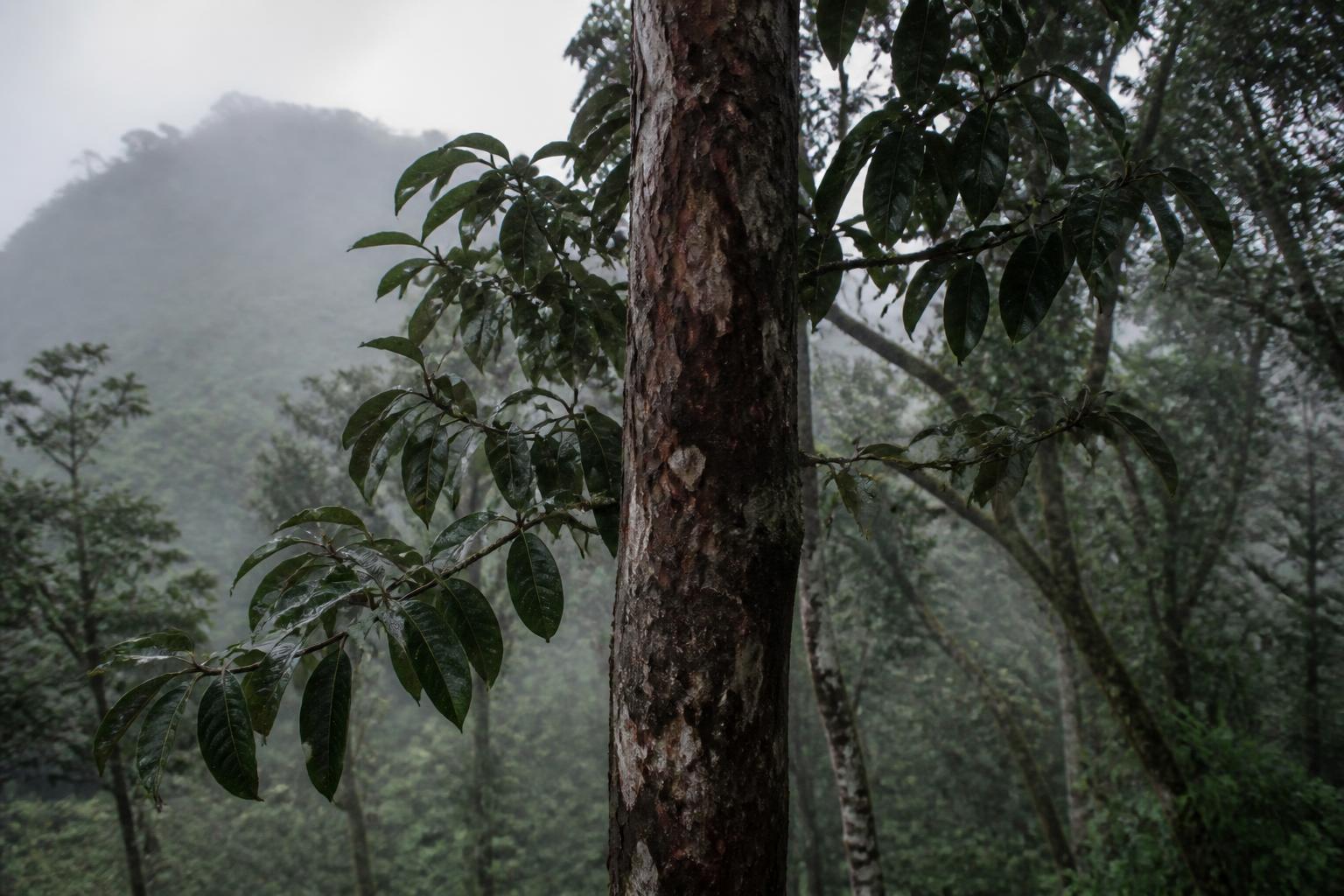
A tree from the mountain forest
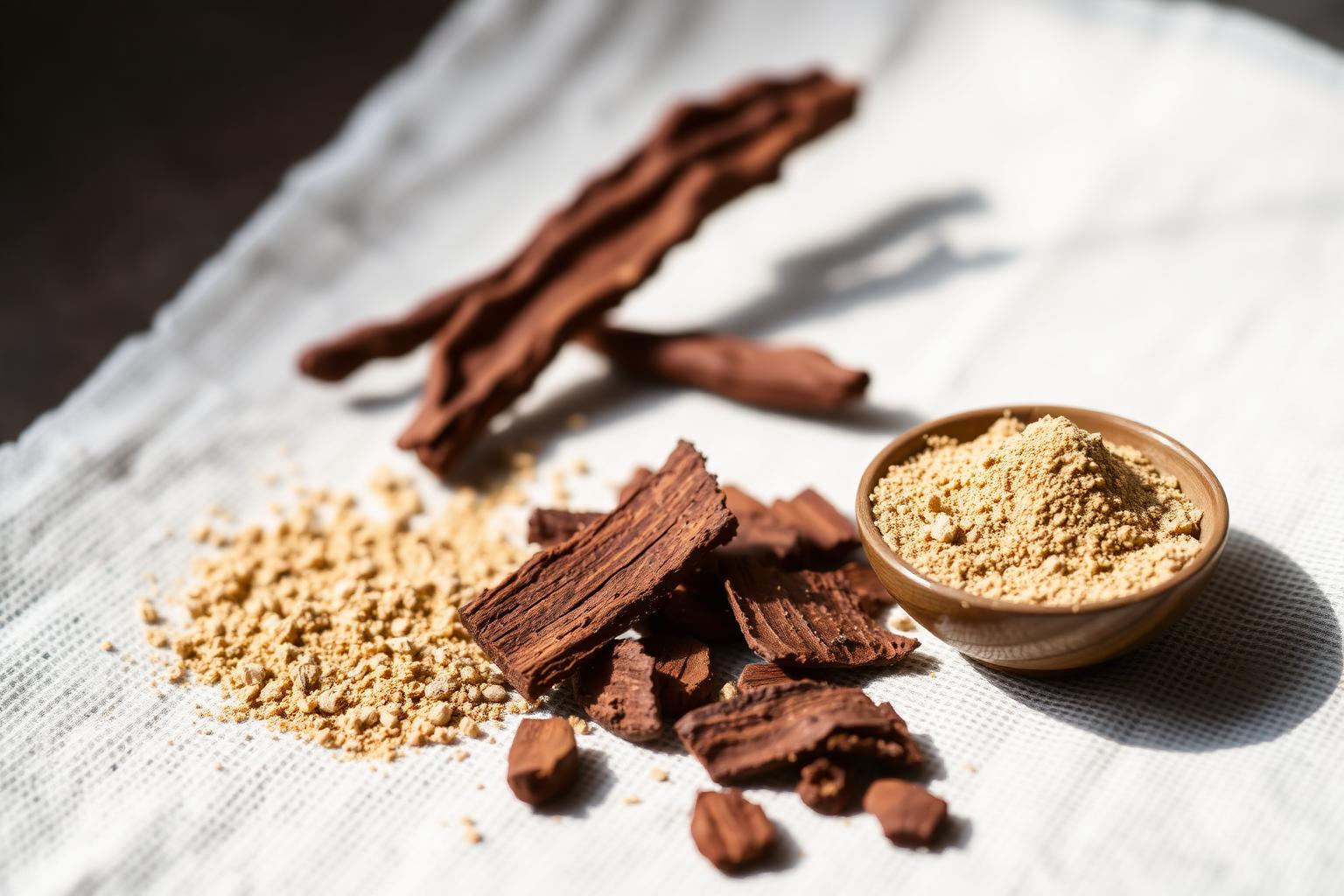
Prunus africana grows tall and straight in the cool highland forests of Uganda, Kenya and Cameroon. Healers have used its reddish bark for generations for fever, stomach pain and what elders simply called old men's water trouble.
From bark to pharmacy
In the 1960s European researchers standardised extracts of that same bark into a treatment for benign prostatic hyperplasia. It remains one of the best-known African medicinal plants in modern clinical use, valued for phytosterols and fatty acids that ease inflammation in prostate tissue.
What it is used for today
Studies report improved urinary flow, fewer night-time trips to the toilet and less residual discomfort in men with mild to moderate prostate enlargement. It is also traditionally used as a general anti-inflammatory and kidney support.
Use it — and protect it
Take a small measured dose of powdered bark in warm water once daily, and give it six to eight weeks before judging results. Because demand nearly wiped out wild stands, only buy from sources that harvest sustainably; the tree can be stripped once and lost forever.
Written with care
Akari shares herbal education inspired by traditional Ugandan wisdom. Nothing here replaces medical advice always listen to your body and your doctor.