Neem: the tree of 40 cures growing in your backyard
In East Africa neem is called mwarubaini — "the forty" — because tradition credits it with forty remedies. Here is what the leaf really does.
A name that means forty
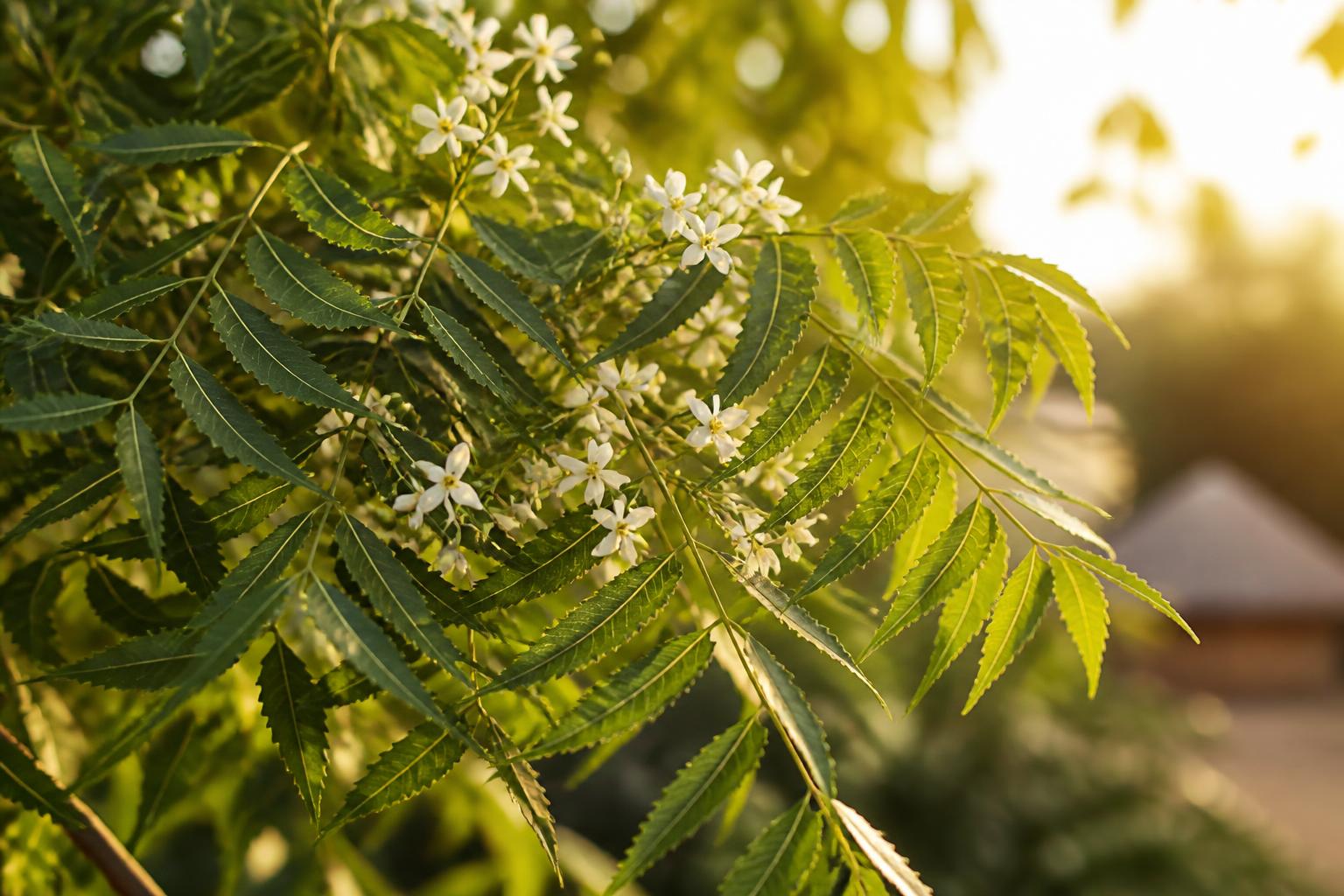
Walk through many Ugandan compounds and you will find a neem tree standing quietly by the fence. Its Swahili name, mwarubaini, literally points to forty cures, and the plant earned it honestly: the leaves, bark, seeds and twigs have all been used for generations for skin, teeth, fevers and stubborn wounds.
How families have used it
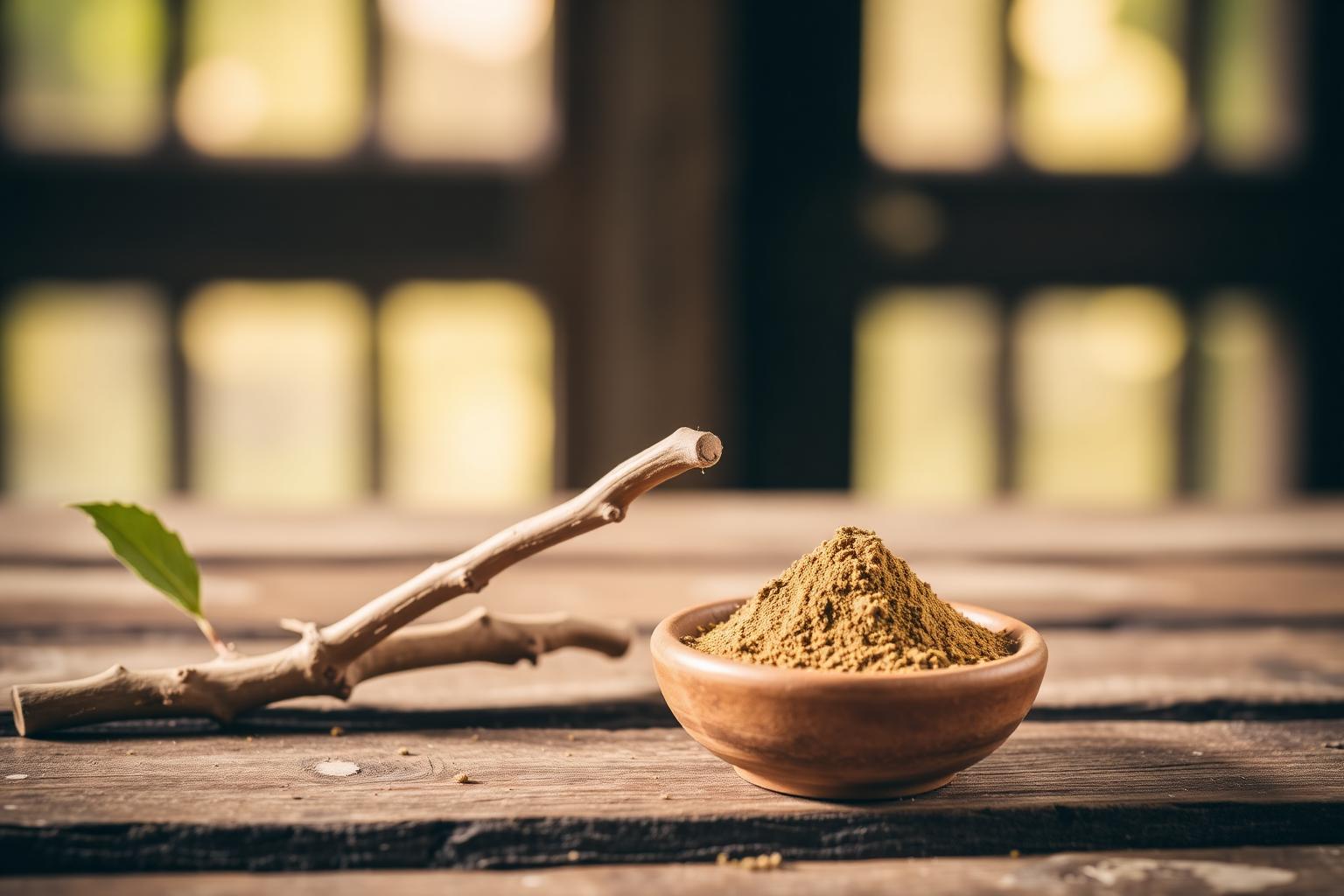
A soft neem twig chewed at the end becomes a natural toothbrush. Boiled leaves cool into a bitter wash for itchy skin and rashes. Dried leaf powder is stirred into water as a bitter tonic during malaria season. The bitterness is part of the medicine — it is what tells you the compounds are there.
What research suggests
Modern studies point to azadirachtin and nimbin, compounds with antibacterial, antifungal and anti-inflammatory activity. Neem has been studied for plaque and gum health, acne-prone skin, and blood-sugar support. It is potent, so it is meant for short, considered courses rather than everyday sipping.
A simple way to start
Steep a small handful of clean dried neem leaves in hot water for five minutes, sweeten with honey, and drink no more than a cup a day for a week. As a face rinse, cool the same brew and splash it on after washing. Skip neem entirely if you are pregnant or breastfeeding.
Written with care
Akari shares herbal education inspired by traditional Ugandan wisdom. Nothing here replaces medical advice always listen to your body and your doctor.